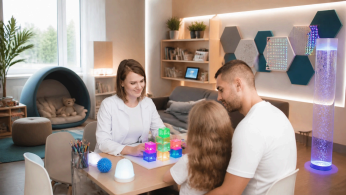
In the field of pediatric mental health, the tools used to reach a child are as critical as the clinical expertise behind them. For decades, traditional play therapy has served as the gold standard for helping children express emotions that they cannot yet put into words. However, as our understanding of child development and neurobiology has evolved, so too have our therapeutic methods.
At Triad Psych, we recognize that for many children, particularly those navigating the complexities of the modern world, a simple box of toys is no longer enough to facilitate deep clinical breakthroughs. This is why Dale Gillman, a clinician at Triad Psych in Atlanta, has pioneered a more intensive, “immersive” approach to play therapy. By moving beyond passive observation and into a world of active, multi-sensory engagement, Dale provides a therapeutic experience that is not only faster in its results but more profound in its impact.
Defining the Shift: Traditional vs. Immersive Play Therapy
To understand why immersive play therapy is a game changer, it is first necessary to define what it is replacing.
Traditional Play Therapy often relies on a “non-directive” approach. In these sessions, a child is placed in a room with standard toys, dolls, blocks, or art supplies, and the therapist observes their play, occasionally offering reflections or interpretations. While valuable, this method can sometimes be slow. The therapist remains a peripheral figure, and the engagement is largely dictated by the child’s existing comfort level with the materials provided.
Immersive Play Therapy, as practiced by Dale Gillman, flips this dynamic. It is a highly active, sensory-rich environment where the therapist and child are co-creators in a psychological narrative. Instead of just “playing,” the child is immersed in a curated environment designed to stimulate specific neural pathways.
The Core Pillars of the Immersive Approach:
- Active Participation: The therapist is not a bystander but an active participant who guides the imaginative play to address specific emotional hurdles.
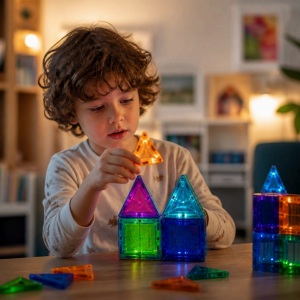
- Multi-Sensory Integration: Utilizing light-up building systems, tactile textures, and specialized auditory tools to engage the brain’s sensory processing centers.
- Narrative Depth: Creating complex, imaginative worlds that mirror the child’s internal struggles, allowing them to “act out” and resolve trauma or anxiety in real-time.

Deep Sensory and Imaginative Engagement
One of the primary advantages of Dale Gillman’s immersive approach is the depth of engagement it fosters. In a standard session, a child might become bored or distracted by repetitive toys. In an immersive session, the environment itself is a tool for focus.
Research into multi-sensory play indicates that when multiple brain areas are engaged simultaneously, visual, tactile, and imaginative, the brain creates stronger, more resilient neural pathways. This is particularly effective for children who struggle with emotional regulation. By using tools like magnetic building systems or specialized computer-integrated play programs, Dale can provide immediate tactile and visual feedback. This feedback loop keeps the child “tethered” to the therapeutic work, preventing the emotional avoidance that often occurs in traditional talk or play therapy.
Why Engagement Leads to Faster Emotional Processing
When a child is fully immersed in a high-engagement activity, their “guard” naturally lowers. The clinical term for this is a reduction in cognitive resistance. Because the child is focused on the sensory and imaginative task at hand, Dale can introduce therapeutic interventions, such as identifying a feeling or practicing a coping skill, while the child is in a state of “flow.” This leads to emotional processing that happens in weeks rather than months.
A Specialized Solution for Neurodiversity in Atlanta, GA
For families seeking support for neurodiversity in Atlanta, GA, the immersive model is particularly transformative. Children with Autism Spectrum Disorder (ASD) or Attention-Deficit/Hyperactivity Dis order (ADHD) often find traditional, non-directive play therapy frustrating or under-stimulating.
Benefits for Children with Autism:
Children on the spectrum often process the world through a sensory lens. Traditional therapy can feel too “socially demanding” without enough sensory “input” to ground the child. Dale Gillman’s immersive sessions provide that grounding. The use of structured, sensory-rich materials allows these children to communicate through action and sensation, bridging the gap between their internal world and the external clinical environment.
Benefits for Children with ADHD:
For children with ADHD, the primary challenge is often sustained attention and impulsivity. The high engagement nature of immersive play provides the constant novelty and feedback these children need to remain focused. Rather than fighting against their need for stimulation, Dale utilizes it, turning high-energy play into a vehicle for building social skills and executive functioning.

Faster Results and Stronger Therapeutic Bonds
The “immersion” factor doesn’t just apply to the toys; it applies to the relationship between Dale and the child. Because Dale is actively involved in the play, helping build the towers, navigating the “imaginary obstacles,” and sharing in the creative process, the therapeutic bond is established much faster.
A child who views their therapist as a “play partner” is far more likely to trust that therapist when things get difficult. This bond is the foundation of all successful counseling services. When a child feels seen and understood in their world, they are more willing to venture into the “uncomfortable” work of addressing anxiety, grief, or behavioral challenges.
Measurable Outcomes of the Immersive Model:
- Increased Generalization: Skills learned in the “world” of the therapy room, like turn-taking, frustration tolerance, and emotional labeling, transfer more easily to the real world.
- Reduced Session Fatigue: Children look forward to their sessions, leading to higher attendance and better long-term outcomes.
- Parental Clarity: Because the play is structured and goal-oriented, Dale can provide parents with clearer, more actionable feedback on their child’s progress.
Beyond Individual Sessions: Social Skills Groups in Marietta, GA
While individual immersive therapy is highly effective, the ultimate goal for most parents is to see their child thrive in a social setting. Triad Psych extends the benefits of Dale Gillman’s expertise through our specialized social skills groups in Marietta, GA.
These groups take the principles of immersive engagement and apply them to a peer-to-peer setting. Children are placed in small, curated groups where they can practice the skills they’ve learned with Dale in a safe, clinician-led environment. This “bridge” from the individual session to the group setting is essential for children navigating neurodiversity, as it provides a controlled space to test out new social strategies.

Starting the Journey at Triad Psych
Choosing the right clinician is the most important step in your child’s mental health journey. If you have found that traditional methods haven’t quite “clicked” for your child, it may be time to move beyond the toy box.
Dale Gillman’s immersive approach at Triad Psych offers a sophisticated, evidence-based alternative that respects the unique way a child’s brain processes information. Triad Psych is also one of the few clinics able to bill insurance for play therapy services, which can make this specialized care more accessible for families. Whether you are looking for a child psychologist in Atlanta to help with ADHD, or you are seeking specialized support for neurodiversity in Atlanta, GA, our team is here to provide a safe, supportive, and highly effective environment for healing.
To learn more about Dale’s approach or to inquire about our upcoming social skills groups in Marietta, GA, please visit our new patients page or contact us directly to schedule a consultation.
Your child’s potential is vast. Immersive play therapy is the key to unlocking it.