
For many autistic adults, social interactions and professional environments carry an invisible, exhaust ing weight. A delayed text message, a neutral facial expression from a colleague, or mild corrective feedback can feel much bigger than the moment itself. For some people, these experiences trigger an intense wave of shame, emotional pain, or alarm that can feel immediate and overwhelming. This experience is often described as Rejection Sensitive Dysphoria (RSD).
RSD is a descriptive term, not a formal DSM-5 diagnosis. It is commonly used to describe a heightened emotional response to perceived or actual rejection, criticism, or disapproval. Although RSD is often discussed in ADHD communities, many autistic adults also relate to this pattern, particularly when it overlaps with a history of misunderstanding, chronic social stress, masking, or burnout. It is important not to overgeneralize prevalence or assume a single cause. Instead, it is more clinically useful to understand RSD-like experiences as one possible way emotional sensitivity, stress, and past in validation can show up in autistic adults.
At Triad Psych, our clinical team, including Dale Gillman, supports neurodivergent adults across At lanta, Marietta, Acworth, Carrollton, and Charlotte with personalized, evidence-based care in a respectful, affirming environment.
What Rejection Sensitive Dysphoria Can Look Like in Autistic Adults
For autistic adults, sensitivity to rejection or criticism may be shaped by many factors, including repeated social misattunement, workplace stress, relationship strain, sensory overload, and the ongoing effort of navigating environments that are not always designed for neurodivergent people.
When an RSD-related reaction occurs, it may involve:
- Physical sensations: a drop in the stomach, chest tightness, heat in the face, or a surge of stress similar to panic.
- Thought spirals: replaying conversations, assuming negative intent, or catastrophizing neutral interactions.
- Behavioral retreat: withdrawing from relationships, avoiding opportunities, delaying communication, or becoming highly perfectionistic in an effort to prevent future hurt.
These reactions are real and distressing. They are not a sign of weakness or lack of insight. In many cases, they reflect a nervous system that has learned to anticipate social pain quickly and protectively.

The Connection Between Masking, Burnout, and Rejection Sensitivity
Many autistic adults report relying on masking—for example, suppressing autistic traits, forcing eye contact, closely monitoring tone, or scripting conversations—to reduce the risk of negative judgment. While masking may help someone get through a situation in the short term, it can also increase exhaustion and make social interactions feel high stakes.
When a person is already working hard to appear acceptable or avoid disapproval, even minor feedback can feel like confirmation that they have failed. Over time, this can contribute to a painful cycle:
- Heightened vigilance: constant self-monitoring increases stress and cognitive fatigue.
- Perceived rejection: an ambiguous interaction is interpreted as criticism, dismissal, or disapproval.
- Shame or shutdown: the emotional impact triggers withdrawal, defensiveness, rumination, or self-criticism.
- Burnout and reduced capacity: ongoing stress can worsen executive functioning challenges, emotional regulation difficulties, and future sensitivity to rejection.
Because this cycle is often deeply embodied, insight alone may not be enough to interrupt it. Many autistic adults benefit from practical systems that reduce decision-making demands and support regulation in real time.
A Practical Three-Part Atomic Habits Framework for RSD Self Management
The Atomic Habits framework, popularized by James Clear, can be useful when adapted thoughtfully. It is best understood here as a flexible self-management framework, not a substitute for therapy or individualized clinical care. The goal is not to eliminate emotion. The goal is to create small, repeatable supports that make overwhelming moments more manageable.
- Name and Track the Pattern
The first step is to make the experience more observable and less fused with identity. Naming the moment can create enough distance to respond more intentionally.
How to apply this step:
- Use a simple in-the-moment label such as: “This may be an RSD spike. My nervous system is reading this as danger right now.”
- Write down common triggers, such as delayed replies, performance reviews, conflict, or uncertainty in tone.
- Spend two minutes at the end of the day noting what happened, how your body responded, and what helped.
This approach turns overwhelming moments into usable information rather than evidence of personal failure.
- Create a 24-Hour Decision Buffer
RSD can increase the urge to react immediately—by sending a long explanatory message, quitting something important, ending a relationship abruptly, or assuming the worst. A structured pause can help protect long-term goals.
How to apply this step:
- Make a personal rule: “I do not send major emails, resign, end important relationships, or make major decisions during the first 24 hours after a rejection trigger.”
- Save draft messages instead of sending them right away.
- Use the waiting period for regulation, consultation, and fact-checking.
The purpose of the buffer is not avoidance. It is to give your nervous system time to settle so your response can reflect your values instead of acute distress.
- Design an Environment That Supports Regulation
During an RSD spike, reasoning alone may not be enough. Environmental supports can reduce the burden of figuring out what to do while already overwhelmed.
How to apply this step:
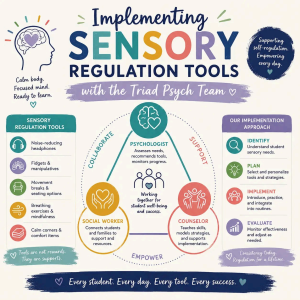
- Keep a regulation kit readily available with items such as noise-canceling headphones, a grounding object, water, a written coping card, or a short sensory break plan.
- Prepare one or two scripts for difficult moments, such as: “I need time to think about this and will respond tomorrow.”
- Reduce friction by putting supportive tools where you actually need them—at your desk, in your bag, or near your phone.
Small environmental adjustments can make emotional recovery more accessible and more consistent over time.
How Dale Gillman’s Integrative Psychotherapy Approach Can Help
Self-guided strategies can be valuable, but many people benefit from collaborative therapy when rejection sensitivity is intertwined with burnout, anxiety, trauma, self-criticism, or relationship strain. Professional support can help transform isolated coping strategies into a more sustainable treatment plan.
At Triad Psych, we view neurodivergence as a difference to be understood with respect and clinical care. We provide services for individuals and families across Atlanta, Marietta, Acworth, Carrollton, and Charlotte, including counseling, psychotherapy, psychological assessments, family counseling, expert witness services, autism and neurodiversity support, and treatment for anxiety and related concerns.
Dale Gillman offers an integrative psychotherapy approach that draws from Cognitive Behavioral Therapy (CBT), Dialectical Behavior Therapy (DBT), and Rogerian frameworks. This kind of collaborative work may help autistic adults:
- Identify patterns clearly: understand triggers, thought loops, masking demands, and relational stressors contributing to rejection sensitivity.
- Build practical coping tools: develop emotional regulation skills, distress tolerance, communication strategies, and low-friction habits that fit daily life.
- Strengthen self-trust in an affirming space: process shame, reduce harsh self-judgment, and build a more stable sense of self through empathic, client-centered support.
This approach does not treat autism itself as a problem to be fixed. Instead, it supports autistic adults in understanding their experiences, reducing unnecessary suffering, and creating systems that are more compatible with how they function best.
Take the Next Step Toward Steadier Support
You do not have to manage rejection sensitivity alone. With a practical habit framework, thoughtful environmental supports, and neurodiversity-affirming therapy, it is possible to reduce the intensity of the cycle and respond with greater clarity and self-compassion.

If you are ready to explore support with Dale Gillman or another experienced Triad Psych clinician in Charlotte or our Georgia locations, we invite you to connect with us today.