In the modern legal landscape, the understanding of neurodiversity, specifically Autism Spectrum Dis order (ASD), has become a critical component of ensuring justice and fair proceedings. Whether in criminal, civil, or family law, the presence of an autism expert witness is often the difference between a misunderstood defendant or witness and a fair, evidence-based legal outcome.
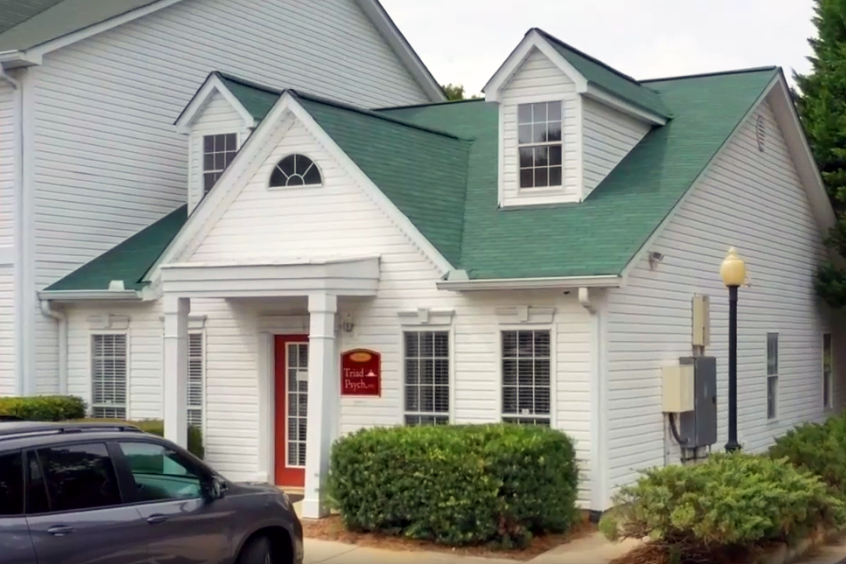
At Triad Psych, we provide comprehensive expert witness services to legal professionals and families across the Atlanta and Charlotte regions. Our team specializes in translating complex psychological profiles into clear, actionable testimony. If you are considering retaining a psychology expert witness for a case involving neurodiversity, here are 10 essential things you should know.
- The Expert’s Role is Primarily Educational
The core function of an autism expert witness is not merely to provide a diagnosis, but to educate the court. Most judges and jurors do not have a background in neurodevelopmental disorders. The expert acts as a translator, explaining how an individual’s autism affects their cognition, social interaction, and behavior in real-world contexts. By providing this educational framework, the expert ensures that the court evaluates the individual based on their actual neurobiology rather than societal stereotypes.
- Explaining Non-Traditional Communication Styles
In a courtroom, “credibility” is often judged by non-verbal cues: eye contact, emotional affect, and tone of voice. However, many autistic individuals may avoid eye contact, exhibit a “flat” or atypical affect, or speak in a literal, repetitive manner. Without a psychology expert witness to explain these traits, a jury might incorrectly interpret these behaviors as a lack of remorse, dishonesty, or hostility.
Our experts clarify these differences, ensuring the court understands that these are clinical traits, not indicators of guilt or character.
- Addressing Sensory Processing in the Courtroom
Courtrooms are high-stress environments characterized by bright fluorescent lights, echoes, and rigid social expectations. For someone with sensory processing sensitivities, this environment can lead to extreme distress or “meltdowns,” which may be misinterpreted as uncooperativeness or aggression. An autism expert witness can advocate for reasonable adjustments, such as modified lighting, scheduled breaks, or the use of plain language, to ensure the individual can participate effectively in the proceedings.
- Evaluating “Fitness to Plead” and Legal Competency
In criminal cases, an expert is often required to assess whether a defendant is fit to plead or stand trial. This involves more than basic intelligence; it requires an evaluation of the individual’s ability to understand the charges, the court process, and the consequences of legal decisions. Autistic individuals may struggle with abstract legal concepts or “rapid-fire” questioning. A specialized evaluation helps the court determine if the defendant can truly participate in their own defense.
- The Value of Forensic Psychological Evaluations
Comprehensive psychological assessments are the foundation of effective expert testimony. These evaluations go beyond a standard clinical check-up; they are forensic in nature, involving a deep dive into medical records, educational history, and functional impact. At Triad Psych, our clinicians, including Dr. Kia Silva, conduct thorough assessments to provide an objective, evidence-based foundation for every case.

- Navigating Neurodiversity in Family Law and Custody
In family court, understanding a child’s neurodivergent needs is vital for determining custody and visitation schedules. An autism expert witness provides insight into how a specific child responds to transitions, their need for routine, and which parental environment best supports their developmental progress. We help the court move away from “standard” custody arrangements toward personalized plans that prioritize the child’s unique requirements.
- Identifying Mitigating Factors in Sentencing
If a conviction is reached, neurodiversity often serves as a significant mitigating factor during the sentencing phase. An expert witness can explain how deficits in social understanding or impulse control may have influenced the individual’s actions. This is not about excusing behavior, but about providing a complete context so that the court can consider appropriate alternatives to traditional incarceration, such as specialized treatment programs.
- Highlighting ADA and Special Education Compliance
In civil litigation involving schools or workplaces, the expert witness assesses whether an organization met its obligations under the Americans with Disabilities Act (ADA) or the Individuals with Disabilities Education Act (IDEA). This involves evaluating whether “reasonable accommodations” were provided and whether the individual’s autism was properly accounted for in professional or educational settings.
- Adopting a Neurodiversity-Affirming Lens
A modern autism expert witness avoids pathologizing neurodiversity. Instead of viewing autistic traits as “defects” to be fixed, they frame them as “differences” that require specific understanding. This respectful, dignity-focused approach is central to the work of our clinicians, such as Elizabeth
Snelgrove Arauz, who serves as our Clinical Services Manager and an experienced expert witness. This perspective helps the court see the individual as a whole person rather than a clinical label.
- Why Local Expertise in Atlanta and Charlotte Matters
Legal standards and courtroom cultures vary by region. Retaining an expert who is familiar with the local legal landscape in Georgia and North Carolina offers distinct advantages. Our team at Triad Psych is rooted in these communities, offering a blend of high-level clinical expertise and local accessibility. Whether you are in downtown Atlanta or the Charlotte suburbs, having a local expert ensures easier coordination for evaluations and live testimony.
Choosing the Right Expert for Your Case
Selecting a psychology expert witness is a pivotal decision. You need a professional who combines clinical authority with the ability to communicate persuasively under pressure. At Triad Psych, we are committed to providing the legal community with reliable, evidence-based support for all matters involving autism and neurodiversity.
If you are a legal professional or a family member seeking guidance, we invite you to learn more about our clinicians and the services we offer. Ensuring that neurodivergent individuals are seen and heard in the legal system is not just our job, it is our commitment to the community.
For more information on our expert witness services or to schedule a consultation, please contact Triad Psych today.