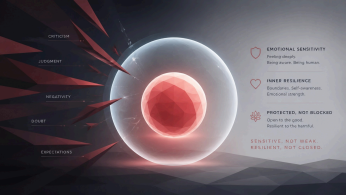
For many neurodivergent individuals, a simple critique or an unreturned text can feel like a devastating emotional blow. This experience, often referred to as Rejection Sensitive Dysphoria (RSD), is increasingly recognized within the ADHD and autistic communities as a significant barrier to social confidence and emotional well-being.
At Triad Psych, we understand that these intense reactions are not “overreactions”: they are physio logical and neurological responses. Our team provides specialized autism treatment in Atlanta and ADHD therapy designed to help individuals navigate these complex emotional landscapes with dignity and professional support.
What is Rejection Sensitive Dysphoria?
Rejection Sensitive Dysphoria is an extreme emotional sensitivity and pain triggered by the perception: not necessarily the reality: of being rejected, criticized, or teased. While it is not yet a formal clinical diagnosis in the DSM-5, current research from 2025 and 2026 highlights it as a critical feature of emotional dysregulation in neurodivergent populations.
For people with ADHD and autism, the brain’s “internal thermostat” for processing social feedback is often calibrated differently. When a perceived rejection occurs, the emotional response is immediate, intense, and often impossible to ignore.
RSD in ADHD and Autism
- ADHD: In those with ADHD, RSD is often tied to emotional impulsivity. The brain struggles to regulate the sudden rush of intense feelings, leading to internal distress or external outbursts.
- Autism: For autistic individuals, RSD may be exacerbated by a history of social exclusion or the “double empathy problem.” Past experiences of being misunderstood can make the nervous system hyper-vigilant to signs of further rejection.

The Emotional and Physical Impact of RSD
RSD is more than just “hurt feelings.” It often manifests as a physical sensation: a literal “ache” in the chest or a sinking feeling in the stomach. Because the pain is so significant, many neurodivergent people develop secondary behaviors to protect themselves:
- People Pleasing: Trying to be “perfect” or overly helpful to ensure no one has a reason to be unhappy with them.
- Social Withdrawal: Avoiding social situations entirely to eliminate the risk of rejection.
- The “Masking” Trap: Hiding one’s true self to blend in, which leads to burnout and a loss of identity.
Evidence-Based Coping Strategies
Managing rejection sensitivity requires a multi-faceted approach that addresses both the cognitive (thinking) and physiological (body) aspects of the experience.
- Neurodivergent-Affirming Therapy
Traditional therapy that suggests “just don’t take it personally” is rarely effective for RSD. Instead, we utilize specialized approaches:
- Cognitive Behavioral Therapy (CBT): Focuses on identifying and challenging the automatic negative thoughts that follow a perceived rejection.
- Dialectical Behavior Therapy (DBT): Provides practical tools for distress tolerance and emotional regulation.
- Acceptance and Commitment Therapy (ACT): Helps individuals stay present and move toward their values even when experiencing painful emotions.
- Nervous System Regulation
Because RSD is a physiological event, calming the nervous system is essential. This can include:
- Sensory Management: Reducing overall sensory load to keep the baseline stress level lower.
- Grounding Techniques: Using deep pressure, weighted blankets, or specific breathing exercises to “signal” safety to the brain during an RSD episode.

Supporting Your Neurodivergent Loved One
If you are a support person for someone with RSD, your role is vital. Understanding that their reaction is a neurological “storm” rather than a choice is the first step toward effective support.
- Validate first: Avoid telling them they are overreacting. Instead, acknowledge the intensity of their feeling: “I can see that this is really painful right now.”
- Clear Communication: Reduce ambiguity. If you are busy and cannot reply to a text, a quick “Busy now, will talk later!” can prevent an RSD spiral.
- Constructive Feedback: When giving feedback, sandwich it with affirmations of their value and competence.
Expert Neurodiversity Support in Georgia and North Carolina
Navigating the world with a sensitive nervous system can be exhausting, but you do not have to do it alone. Triad Psych is a neurodiverse-led practice, meaning our clinicians bring both professional expertise and lived experience to our work.
Whether you are looking for a neurodiversity-informed therapist in Atlanta, GA, or a licensed therapist in Charlotte, NC, we offer a range of services tailored to your needs. From individual counseling to learning strategies, our goal is to provide a safe, supportive environment for growth.
Localized Care
We serve families and individuals across the region, including:
- Marietta, GA
- Atlanta, GA
- Acworth, GA
- Carrollton, GA
- Charlotte, NC
Our team of experienced clinicians can help. Dale Gillman, MS, Dave Glick, LCSW and Sheri Locklear, MSW, HPC are dedicated to evidence-based, compassionate care for RSD individuals.
Take the Next Step Toward Healing
Understanding that your sensitivity is a part of your neurodivergent makeup: and not a character flaw: is the first step toward reclaiming your peace. If you or a loved one are struggling with the weight of rejection sensitivity, reach out to us today.
Contact Triad Psych to learn more about our services or to schedule an appointment with one of our specialized providers. Together, we can develop the strategies you need to thrive.